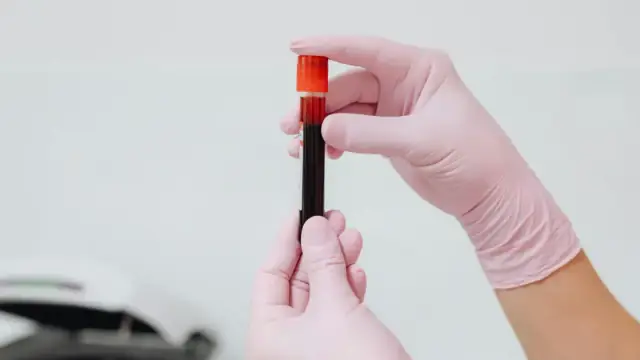
Male fertility is the most-ignored preventive health metric in the 30-40 age band. The data isn't reassuring.
The count-decline data
Levine 2017 (Human Reproduction Update, meta-regression of 185 studies) analyzed sperm concentration trends in Western men between 1973 and 2011 ( Levine et al. 2017 ). Levine and colleagues published a 2022 update extending the dataset through ~2019, adding non-Western cohorts, and reporting an accelerating rate of decline post-2000 ( Levine, Joergensen, Martino-Andrade et al. 2022 ). Findings across both analyses:
- Mean sperm concentration declined 52.4% in North America, Europe, Australia, New Zealand (1973-2011).
- Total sperm count declined 59.3% over the same window.
- The 2022 update found the decline has continued and the annual rate of decline is now steeper than the 1973-2011 average.
- No parallel decline observed in earlier non-Western cohort data; the 2022 update suggests the trend has since extended to additional regions.
- Causes debated: endocrine disruptors (BPA, phthalates), obesity, sedentary lifestyle, paternal age shifts. Likely multiple.
The decline is real and continues; individual men today have ~50% the sperm count their grandfathers had at the same age.
What the numbers mean
WHO reference ranges (2021, 6th ed):
| Phase | Dose | Notes |
|---|---|---|
| Total sperm count | ≥ 39 million/ejaculate | 5th percentile of fertile men |
| Sperm concentration | ≥ 16 million/mL | |
| Total motility | ≥ 42% | Progressive + non-progressive |
| Progressive motility | ≥ 30% | |
| Normal morphology | ≥ 4% | Strict Kruger criteria; surprisingly low threshold |
| Volume | ≥ 1.4 mL |
Values below these thresholds don't mean infertility; they mean lower per-cycle probability.
Finasteride (Kaufman 1998, n=1,553) provides a useful contrast: DHT suppression at 1 mg/day reduces ejaculate volume and carries small fertility considerations, but does not suppress spermatogenesis the way TRT does ( Kaufman et al. 1998, n=1553 ). Full TRT is the larger fertility decision.
Lifestyle factors
Smoking. Cuts sperm count, motility, morphology. One of the largest modifiable factors. Quitting shows measurable count recovery within 3-6 months.
Heat exposure. Sperm production needs 2-4°C below core body temperature. Chronic sauna use, laptop-on-lap, hot tubs, and tight underwear all measurably drop counts. Reversible 3-6 months after cessation.
BMI extremes. Both obese (>30) and very lean (<20) men have lower counts than those in the 20-25 range. Obesity additionally drops testosterone via aromatization.
Alcohol. Moderate-to-heavy use lowers testosterone and sperm counts. <5 drinks/week probably OK.
THC (cannabis). Chronic use associates with lower counts and motility. Effect reversible on cessation.
Endocrine disruptors. BPA, phthalates, some pesticides. Hard to eliminate fully; reasonable to reduce plastic food contact + buy organic where the EWG "Dirty Dozen" applies.
Exercise. Moderate = positive. Excessive endurance training = negative; elite endurance athletes often have lower T + sperm parameters.
Hot baths post-workout. Fine. Daily saunas + trying to conceive = not fine.
TRT and fertility

Testosterone therapy suppresses gonadotropins (LH, FSH), which shuts down endogenous testicular testosterone production and spermatogenesis. Within 3-6 months of TRT initiation, counts typically drop to zero or near-zero.
Recovery after cessation is variable:
- Some men: recovery within 3-6 months.
- Others: 12-24 months, partial only.
- A subset: permanent impairment.
Before starting TRT, ideally:
- Semen analysis banked.
- Conversation with a reproductive endocrinologist if any chance of wanting biological children.
- Alternative paths (enclomiphene, hCG monotherapy, Clomid-based) considered; these restart or preserve endogenous pathway.
- Sperm banking ($300-500 one-time + annual storage) if committing to TRT and family goals are uncertain.
When to test
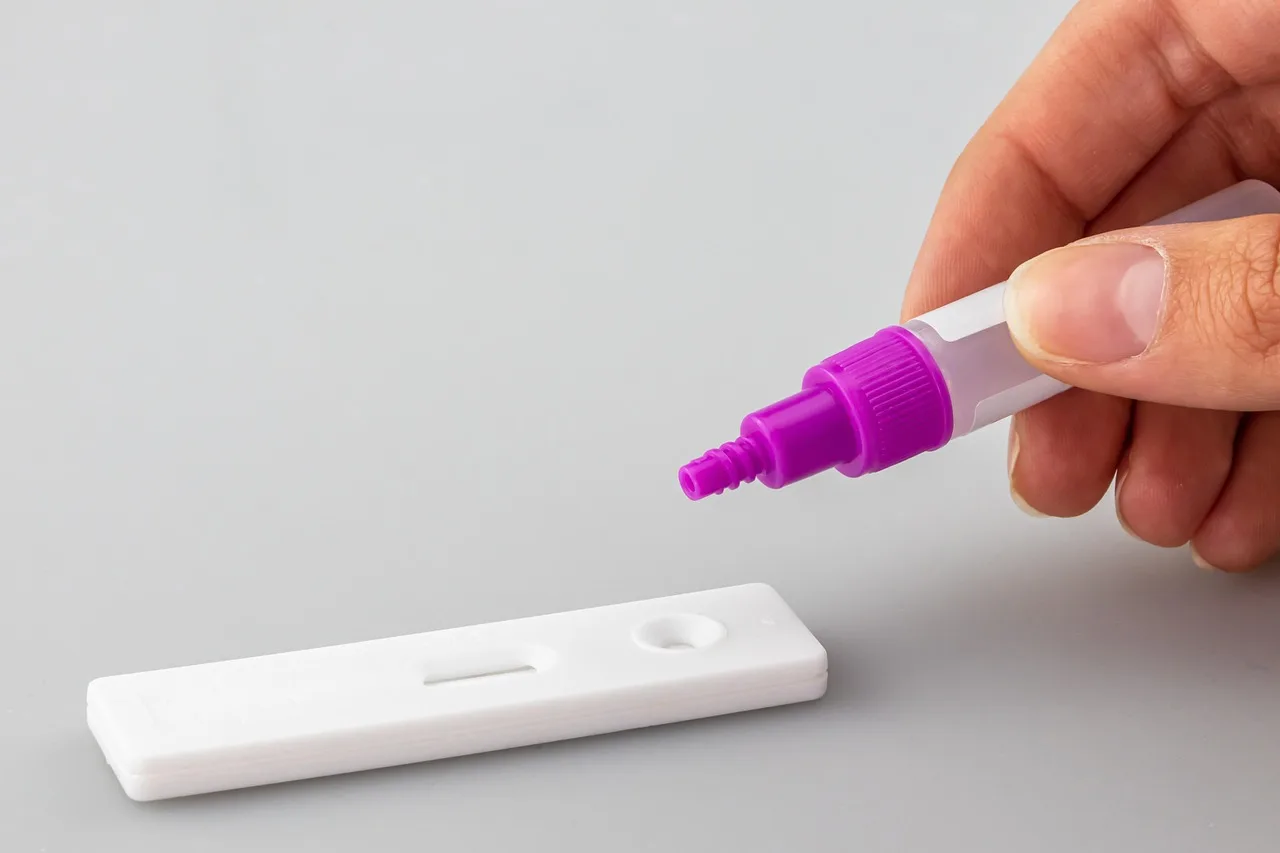
- Before starting TRT: non-negotiable.
- Before age 40 if you might want kids: establish a baseline.
- 6 months of unprotected intercourse without conception: semen analysis for you, fertility workup for partner.
- After a significant change (weight swing, illness, new medication, extended high-stress period): informative.
Test costs ~$75-150 at commercial labs (Fellow, Give Legacy, Quest). Home kits (Trak, Legacy) vary in reliability; send-in mail kits have shipping-induced variation.
What moves the number
- Stop smoking: +10-30% count over 3-6 months.
- Fix heat exposure: +5-15%.
- Lose 5+ BMI points if overweight: +10-20% and testosterone improvements.
- Zinc + selenium supplementation if deficient: modest.
- Folic acid + CoQ10: small-trial evidence for motility, effect sizes modest.
- Avoid hot yoga, hot tubs, laptop-on-lap for 3+ months pre-conception.
Counter-view
Shanna Swan (Levine meta coauthor) is the most alarmed voice on the count-decline data. Others (Richard Sharpe, Hagai Levine himself in later commentary) caution that methodology heterogeneity across the 185 studies limits precision. The direction is not in dispute; the rate is.