The senolytic case is one of the most exciting and most over-marketed corners of the longevity supplement space. The mouse data are striking; the human data are early. This guide separates what has been measured in humans from what is mechanistic extrapolation, ranks the available compounds, and addresses the practical question of who should and should not be experimenting with this class.
What are senolytics, and what is a senescent cell?
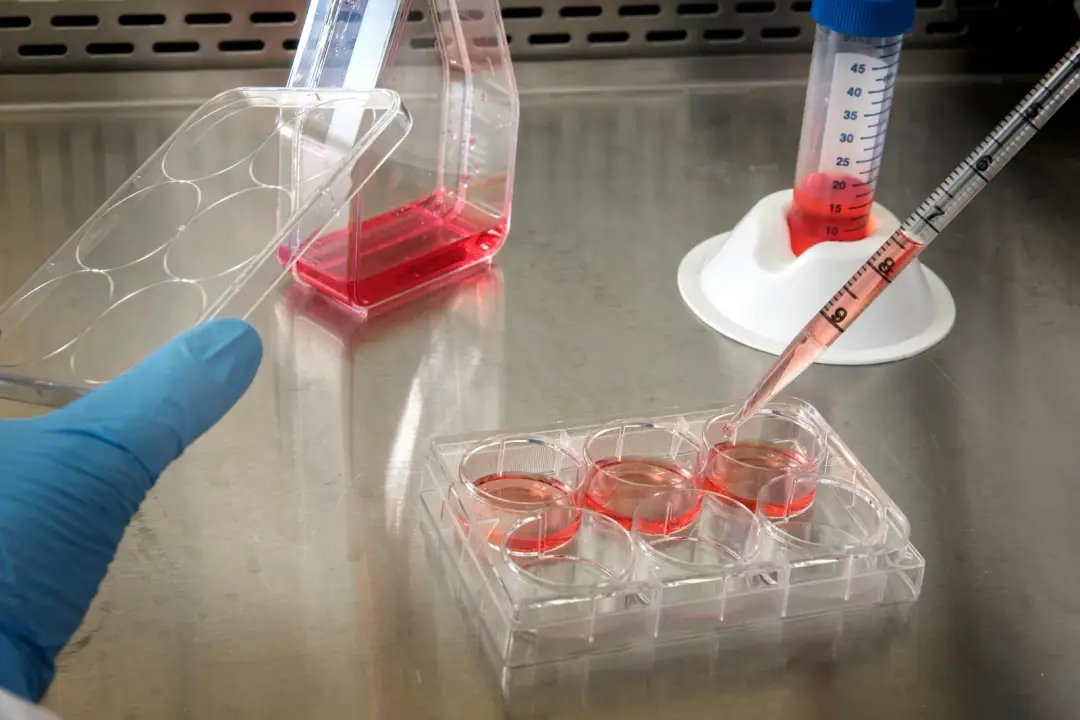
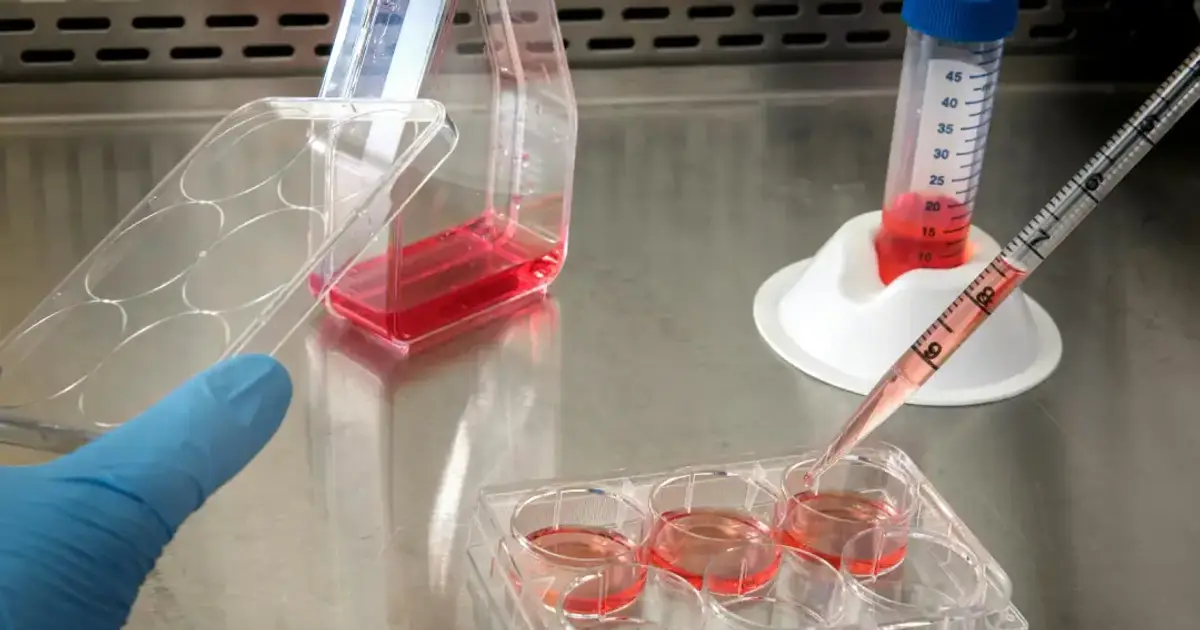
A senescent cell is one that has stopped dividing, often in response to DNA damage, oncogene activation, or telomere shortening, but has resisted apoptosis (programmed cell death). It sits in the tissue, secreting a cocktail of inflammatory cytokines, proteases, and growth factors collectively called the senescence-associated secretory phenotype (SASP). The SASP is the cellular substrate for chronic low-grade inflammation that accumulates with age.
Senescent cells accumulate slowly. By age 60 to 80, they make up a few percent of cells in most tissues, but the SASP they generate disproportionately drives age-related disease: atherosclerosis, osteoarthritis, frailty, cognitive decline, and cancer initiation in some models.
The senolytic hypothesis: kill the senescent cells (or restore their ability to die on schedule), and you remove the SASP-driven inflammatory load without touching healthy cells. Mouse data support this directly. Senescent-cell-clearance experiments in transgenic mouse models have shown extended healthspan, reduced age-related pathology, and modest lifespan extension across multiple labs.
The supplement-class question is whether oral compounds can produce this effect in humans at tolerable doses. The current answer: probably yes for some, weakly evidenced for most, and the dose required for biomarker-grade effects is higher than typical daily supplementation.
The evidence gap: mouse data vs human trials

This is the central honesty point of the senolytic space.
Mouse data are strong. Multiple labs have shown that pulsed senolytic dosing reduces senescent-cell burden, lowers SASP markers, improves muscle function, preserves cognition, and modestly extends lifespan. The mechanistic chain (Bcl-2 family inhibition for fisetin and quercetin; FoxO inhibition for some; mTOR-driven for rapamycin) is well-mapped.
Human data are sparse. Two completed biomarker trials with positive signal stand out: Hickson 2019 (n=10, fisetin 20 mg/kg/day for 2 days, reduced senescent-cell markers in adipose tissue from older diabetic adults) Hickson LJ et al 2019 , and a separate small Mayo trial of dasatinib + quercetin in chronic kidney disease patients showing similar reductions. No completed human RCT has measured hard outcomes (mortality, frailty progression, cancer, cardiovascular events) for any senolytic supplement.
Several trials are in progress. AFFIRM-LITE for fisetin in older women; ongoing Mayo protocols in chronic kidney disease, frailty, and Alzheimer's disease. The 2026-2028 readouts will determine whether the supplement class graduates from preclinical promise to clinical recommendation.
The honest framing for users: the senolytic class is an early-stage longevity intervention with a strong mechanistic foundation and weak human outcome data. Anyone using it now is making an informed bet on the biology, not following a settled recommendation.
Fisetin: the top human-evidence senolytic
Fisetin is the most-evidenced natural senolytic in humans. The case rests on Yousefzadeh 2018 (preclinical screening showed fisetin as the most potent natural compound among flavonoids tested) Yousefzadeh MJ et al 2018 and Hickson 2019 (small open-label human trial confirming reduced senescent-cell burden in adipose biopsies after the 20 mg/kg pulsed dose for 2 days).
The protocol with biomarker evidence is specifically pulsed: 20 mg/kg/day for two consecutive days, repeated monthly. For an 80 kg adult, that is roughly 1,600 mg/day for two days, then nothing for the rest of the month. The pulsed strategy exploits a hit-and-run senolytic mechanism: kill the senescent cells in a short window, then let the body recover.
Daily low-dose fisetin (100 to 500 mg) is mechanistically weaker but commonly marketed. There is no biomarker trial demonstrating senescent-cell clearance at daily low doses. The choice between protocols is real and the marketing tends to elide it.
Fisetin is found in strawberries (the highest dietary source by concentration), apples, persimmons, and onions. Food-source intake provides the underlying compound at doses far below the senolytic-protocol target.
Quercetin + Dasatinib: the original Mayo Clinic duo
The original senolytic combination, developed by the Mayo Clinic group from screening campaigns. Dasatinib is a tyrosine kinase inhibitor used for chronic myeloid leukemia; quercetin is a flavonoid found in onions and capers. The two compounds target different senescent-cell subtypes and act synergistically.
Dasatinib is prescription-only and is not a supplement. The Hickson 2019 chronic kidney disease trial used dasatinib 100 mg + quercetin 1,000 mg pulsed for 3 days, repeated monthly. The combination is studied in human longevity contexts only by physicians familiar with the off-label use; biox does not recommend self-administration of the dasatinib component.
The pure-quercetin daily supplementation (500 to 1,000 mg/day continuously) is widely sold but has weaker senolytic biomarker evidence than the pulsed dasatinib + quercetin protocol. Quercetin alone is mostly an anti-inflammatory and antihistamine compound at typical supplement doses.
Spermidine: weakest senolytic claim, strongest autophagy claim
Spermidine is often grouped with senolytics in marketing but the mechanism is different. Spermidine activates autophagy (cellular cleanup of damaged organelles and proteins), which is upstream of senescent-cell clearance but not identical to it. Cells that successfully autophagy-clear damaged components may avoid becoming senescent in the first place; cells that are already senescent are not directly killed by spermidine.
The human evidence base for spermidine is the largest in this cluster. Wirth 2018 reported a memory benefit in older adults at risk for dementia at 0.9 mg/day for 3 months Wirth M, Benson G, Schwarz C 2018 ; the larger Wirth 2019 follow-up did not replicate the primary endpoint. The cardiovascular signal from observational European cohort data is consistent (Eisenberg 2016) but not interventional Eisenberg T et al 2016 .
For users wanting a daily continuous senolytic-adjacent compound with established safety, spermidine (1 to 6 mg/day) is the most defensible pick. For users wanting a true senolytic biomarker-grade effect, spermidine alone is not the right tool.
Curcumin and piperlongumine: the long tail
Curcumin has weak senolytic activity in cell-culture screens and animal models. The compound's broader anti-inflammatory case is reasonable; the senolytic-specific case is weak. Bioavailability is poor without piperine co-administration.
Piperlongumine is a compound from long pepper with senolytic activity in preclinical studies. Human evidence is essentially absent; commercial supplementation is rare and the dose required for senolytic effect is uncharacterized in humans.
For users building a senolytic stack, both compounds are mechanistically interesting but cannot be relied on for biomarker-grade effects.
Foods high in natural senolytic compounds
The dietary case for senolytic compounds is real but weak relative to the supplemental dose required for measurable effects.
- Strawberries: highest dietary source of fisetin, ~50 mg per kg fresh weight. Eating 250 g of strawberries provides ~12 mg fisetin, far below the ~1,600 mg pulsed senolytic dose.
- Onions and capers: highest dietary source of quercetin, ~30 mg per 100 g for capers. A daily quercetin-rich diet provides 50 to 200 mg, below the ~1,000 mg per pulse used in the Mayo protocol.
- Wheat germ: highest concentrated source of spermidine, ~250 mg per kg.
- Apples and persimmons: moderate fisetin sources at lower concentrations than strawberries.
- Aged cheese, soy, mushrooms: meaningful spermidine contribution.
The dietary case for these compounds is general antioxidant and anti-inflammatory benefit at typical food intake. The senolytic-specific case requires supplemental concentration that food cannot reach.
Who should not take senolytics
The contraindication list is short but real.
- Active cancer: polyphenol-treatment interactions are uncharacterized; senolytic mechanisms could theoretically affect cancer-cell behavior in unpredictable ways. Avoid pulsed senolytic protocols during active treatment without oncologist guidance.
- Pregnancy and lactation: insufficient data at supplement doses. Avoid.
- Users on CYP3A4 or CYP2C9-sensitive medications (warfarin, statins, certain SSRIs, several psychiatric medications): fisetin and quercetin inhibit these enzymes at high doses. Monitor or consult prescriber if combining.
- Immunocompromised users: pulsed senolytic protocols transiently increase apoptosis signaling; the safety in immunocompromised states is not characterized. Daily low-dose use is probably acceptable; pulsed protocols should wait for more data.
- Recent major surgery or wound healing: senolytic clearance during active tissue repair could theoretically interfere with normal wound-healing senescence (which is short-lived and adaptive). Wait 4 to 8 weeks post-major-surgery before pulsed senolytic dosing.
For everyone else, the safety profile of supplemental fisetin and spermidine at typical doses is favorable.
Pulsing protocols: Mayo schedule and hit-and-run logic
The pulsed senolytic protocol concept comes from the Mayo Clinic group's work and reflects a specific theoretical framing of senescent-cell biology.
The hit-and-run logic: senescent cells need to be killed in a brief window, not chronically pressured. Continuous low-dose senolytic exposure may select for resistant senescent cells (cells that upregulate Bcl-2 or other survival pathways further) or may interfere with healthy cell senescence that serves adaptive purposes (wound healing, embryonic development, oncogene-induced senescence as a tumor suppressor mechanism).
The pulsed protocol: high dose for 2 to 3 consecutive days, repeated once monthly or once every 2 to 3 weeks. The Mayo protocol uses 20 mg/kg/day fisetin or dasatinib 100 mg + quercetin 1,000 mg for the pulsed window.
The daily low-dose alternative: continuous 100 to 500 mg/day fisetin or 1 to 6 mg/day spermidine. This is the more common consumer pattern but has weaker biomarker support.
For users running senolytic protocols, the pulsed approach has the available human biomarker evidence; the daily approach is empirical and may or may not produce the intended effect.
Verdict: highest-leverage protocol if you start today
If you are otherwise healthy, want to experiment, and accept the early-stage evidence framing: the most defensible single-compound protocol is monthly pulsed fisetin (1,500 mg/day for 2 consecutive days, repeated once per month). This is the dose with biomarker evidence in humans; lower daily doses are mechanistically weaker.
If you want a continuous low-dose intervention with broader safety data: spermidine at 1 to 6 mg/day is the most-supported daily senolytic-adjacent supplement, with multi-year European trial data and a clean safety record.
If you want to combine with other longevity interventions: spermidine daily plus monthly pulsed fisetin is a reasonable pairing that does not overlap mechanism. Avoid stacking dasatinib + quercetin + fisetin in the same pulse without physician oversight; the safety of stacked senolytics is uncharacterized.
Skip the broad senolytic mega-stacks (curcumin + piperlongumine + fisetin + quercetin + spermidine + rapamycin all at once). The biology does not justify the cost, and the side effects compound faster than the benefits.