Grip strength is among the most underrated biomarkers in adult medicine. It is cheap to measure, requires no lab work, predicts mortality with effect sizes that beat several common cardiovascular risk markers, and improves with the same training that improves general health. This guide covers the reference ranges, the targets, and what actually moves the number.
Why grip strength matters
The Leong 2015 PURE study (n=139,691 across 17 countries, median 4 years follow-up) established grip strength as a stronger predictor of all-cause mortality and cardiovascular events than systolic blood pressure Leong DP et al (PURE) 2015 . Each 5 kg decrease in grip strength was associated with a 16% increase in all-cause mortality, independent of age, sex, education, physical activity, BMI, smoking, and chronic disease status.
The Bohannon 2019 review covers the broader reference-range literature and clinical applications Bohannon RW 2019 . Grip strength serves as a frailty marker in the elderly, a recovery marker in critical care, a pre-surgical risk indicator, and a longevity tracking metric in healthy adults.
The mechanistic case for why grip strength predicts so much: grip is a proxy for total-body skeletal muscle quality and neuromuscular function. Maintaining grip into old age requires preserved fast-twitch fibers, intact nerve-muscle communication, and cumulative loading history. The combination of these factors correlates with everything from cardiovascular outcomes to cognitive resilience.
For longevity-focused adults, grip strength is one of the cheapest and most actionable single biomarkers to track.
Reference ranges by age and sex
The Bohannon 2019 review and NHANES dataset establish the standard reference ranges. Values below are pounds (multiply by 2.205 for kg).
| Age | Men (avg) | Men (longevity target) | Women (avg) | Women (longevity target) |
|---|---|---|---|---|
| 20-29 | 140-150 | 175 | 80-90 | 105 |
| 30-39 | 130-145 | 165 | 75-85 | 100 |
| 40-49 | 115-130 | 150 | 70-80 | 95 |
| 50-59 | 105-120 | 140 | 65-75 | 90 |
| 60-69 | 95-110 | 125 | 60-70 | 85 |
| 70-79 | 85-100 | 115 | 50-60 | 75 |
| 80+ | 70-85 | 95 | 40-50 | 60 |
Average values reflect the population median; longevity target is roughly 20-25% above average, where the PURE-style mortality risk reduction plateaus.
These are dominant-hand values from a calibrated hydraulic dynamometer (Jamar or equivalent). Variation across instruments runs ±10%; for tracking your own numbers, use the same instrument every test.
How to test grip strength
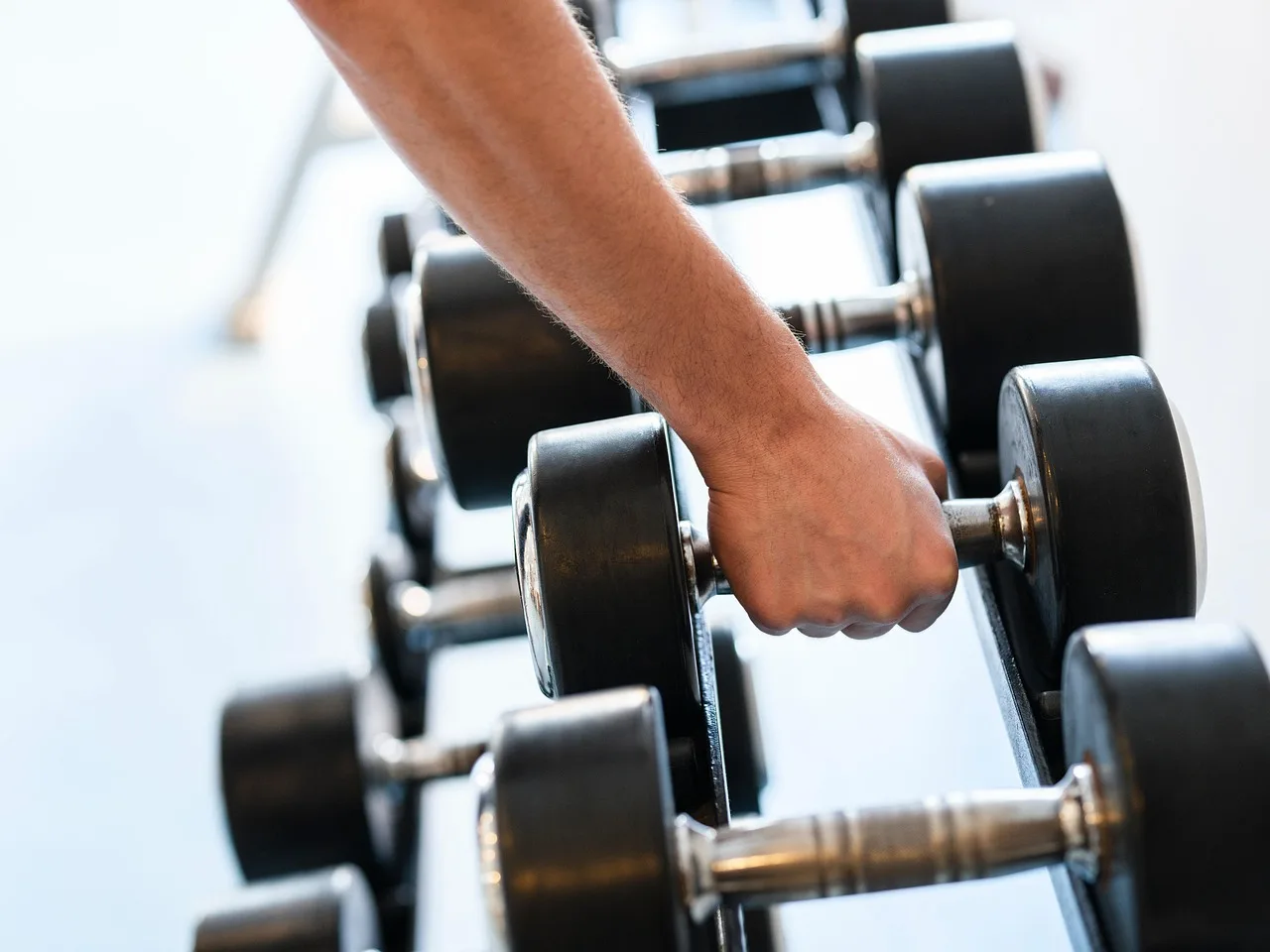
The clinical-standard protocol:
- Equipment: hydraulic dynamometer, ideally Jamar-style (the validated instrument across most reference data). Hand-spring grippers are not validated for clinical comparison.
- Position: seated, elbow at 90 degrees, forearm neutral, no resting on a surface
- Trials: 3 attempts per hand with 60 seconds rest between
- Score: average the best 2 of 3 trials per hand
- Cadence: test once per year; same time of day, same instrument, same examiner if possible
For home tracking, hand dynamometers are available for 30-60 dollars (Camry, Jamar Plus). They are not as well-calibrated as clinical instruments but work for tracking your own trajectory year over year.
What improves grip strength
The disappointing answer for the gripper-device industry: dedicated grip work is a small contributor to functional grip strength. The exercises that move the number most:
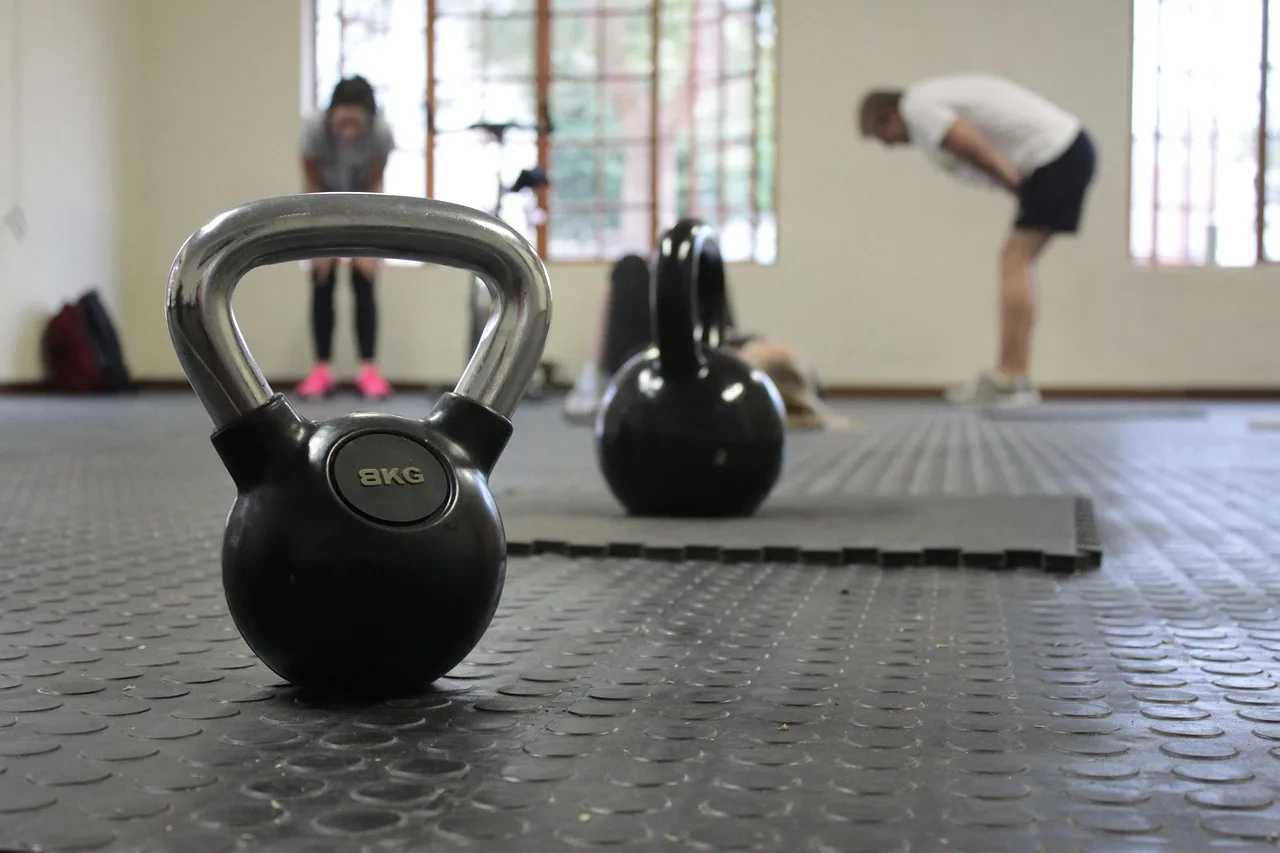
Loaded carries are the single best grip-strength tool. Farmer's walks (heavy dumbbells in each hand for distance), suitcase carries (one-sided), and Zercher carries all train grip under prolonged load. The forearm-flexor recruitment pattern matches what grip dynamometer testing measures.
Heavy pulling movements train grip incidentally at high intensity. Deadlifts (without straps), pull-ups, rows, and rope-pulley work all build grip while training larger muscle groups. The systemic gain is high relative to the time investment.
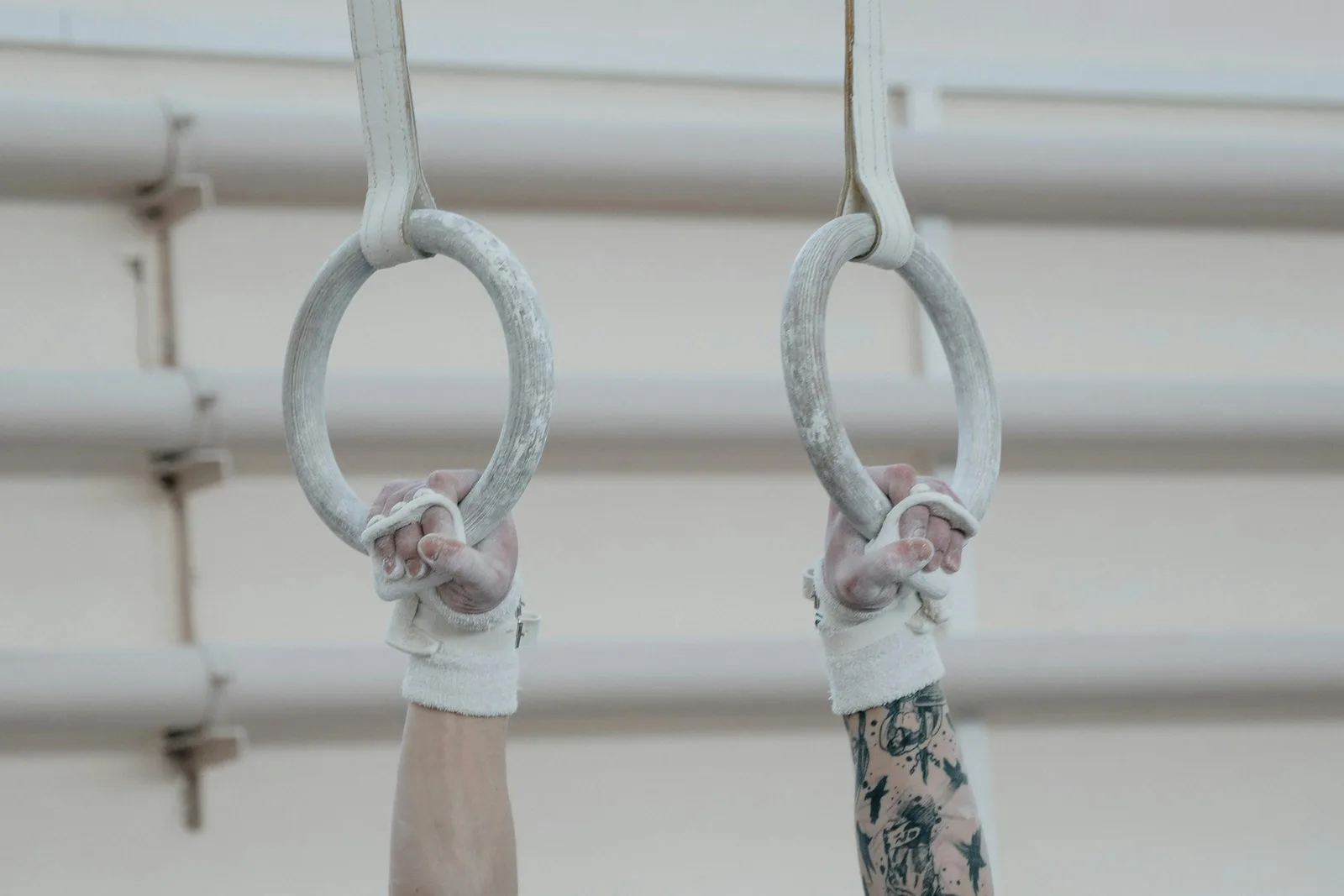
Dead hangs (passive hangs from a pull-up bar) train grip endurance and stretch the connective tissue. Aim for 30+ seconds; longer hangs build the endurance that translates to dynamometer scores.
Specific gripper work (Captains of Crush, hand grippers) improves max-effort grip on the gripper itself with limited transfer to dynamometer scores or functional grip. Useful as accessory work; not the primary tool.
Pinch holds and thick-grip work (towel pull-ups, fat-bar holds) build the alternate grip patterns and address the open-hand vs closed-hand strength gap. Niche but valuable for users with already-strong basic grip.
A defensible weekly framework: 1-2 sessions of loaded carries, 2-3 sessions involving heavy pulling, 2-3 sets of dead hangs after upper-body sessions. That covers grip without requiring dedicated grip days.
What doesn't move grip much
- High-rep light exercises: hand-strengthening putty, stress balls, and similar tools don't load enough to drive adaptation.
- Stretching the forearms (alone): improves mobility, doesn't build strength.
- Wrist curls alone: target the forearm flexors but at low loads relative to compound movements.
- Generic "hand exercises" for general health: maintain function but don't push the trajectory above average.
If your grip strength is significantly below average for your age, the first move is heavy pulling and loaded carries; gripper devices are the wrong tool to start with.
Tracking and goals
For longevity-focused tracking:
- Test annually, same time of year, same dynamometer
- Trend matters more than single values: a stable or rising trajectory across a decade is the goal
- Target the longevity-optimal range (20-25% above your age/sex median) rather than just "average"
- If declining year over year, audit training (volume, frequency of pulling work, loaded carries) and check protein intake (1.6 g/kg/day per the protein targets post)
- If significantly below average, consult a clinician to rule out specific medical contributors (sarcopenia, neuropathy, joint disease, undertreated chronic conditions)
For most users, grip strength is a derivative of overall fitness rather than a goal-in-itself. The same training that drives zone-2 performance and resistance training adaptations drives grip strength. The biomarker is the visible result.
Cross-links and further reading
- Biomarker quick reference for the broader biomarker context
- What your doctor isn't testing for related underused biomarkers
- Resistance training MED for the training framework that drives grip strength
- Zone 2 and VO2 max for the cardio side of the longevity-fitness picture