Urolithin A is one of the more interesting compounds in the longevity-supplement space, and the side-effects question is one of the most-asked. The honest answer: the trial safety profile is unusually clean for a longevity supplement at typical doses. This guide walks through what the trial data actually shows, where the gaps are, and which contraindications matter.
What the trial data shows
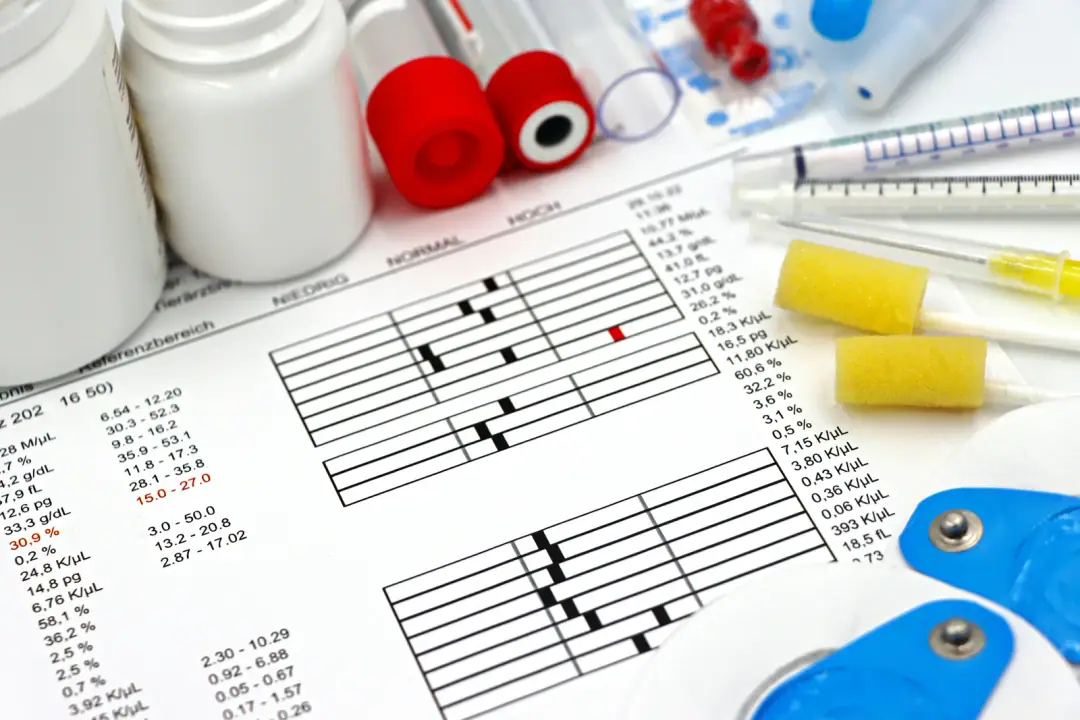
The pivotal human safety data come from Andreux 2019 (Nature Metabolism), the first human PK and safety trial of synthetic urolithin A Andreux PA et al 2019 . The trial enrolled 60 sedentary older adults at three doses (250, 500, 1,000 mg/day) for 4 weeks. Findings:
- No significant adverse events vs placebo
- No clinically meaningful changes in liver enzymes, kidney function, complete blood count, or comprehensive metabolic panel
- Most-reported issues: mild GI upset (loose stools, occasional nausea) at frequencies similar to placebo
- Skeletal muscle biopsies showed mitophagy induction without inflammation
Subsequent trials in older adults and athletic populations have replicated the clean safety profile. Mitopure (the synthetic urolithin A formulation by Amazentis) has been used in trials totaling several hundred participants without serious adverse signals.
For context, this safety profile is unusually clean for a compound in the longevity-supplement space. Most supplemental compounds in this category produce some signal (mild GI for spermidine, dose-dependent diarrhea for high-dose TUDCA, headache for high-dose alpha-GPC). Urolithin A's clean profile reflects its endogenous origin (the body makes it from gut-bacteria-converted ellagitannins) and its narrow biological action (mitophagy-specific rather than broad signaling).
What's not characterized
Three gaps deserve explicit naming.
Long-term safety beyond 4 months. Most published trials run 4-16 weeks. Longer-duration human safety data are absent. Mechanistically, chronic mitophagy activation could theoretically affect mitochondrial dynamics in ways that take longer than 4 months to manifest. No empirical signal supports this concern; the absence of long-term data simply means the case is open.
Active cancer interactions. Mitophagy is a double-edged process: clearing damaged mitochondria is generally beneficial for healthy cells, but cancer cells often rely on mitochondrial dysfunction and may respond to mitophagy modulation in unpredictable ways. The case-report and trial literature has not flagged cancer-related concerns, but the population has been excluded from most trials. Active cancer is a relative contraindication on theoretical grounds.
Pregnancy and lactation. Insufficient data at supplemental doses. The endogenous form (small amounts produced from dietary ellagitannins) is presumably safe; concentrated supplementation has not been characterized in these populations.
Side effects by category
Gastrointestinal: most common reported issue. Mild GI upset (loose stools, occasional nausea, rare diarrhea) at under 10% incidence in trials. Usually transient (1-2 weeks at start of supplementation) and resolves with continued use or dose reduction. With-food dosing reduces incidence.
Hepatic: no significant signals in trial liver-enzyme monitoring Andreux PA et al 2019 . The compound is partially CYP-metabolized but appears well-tolerated. Users with severe pre-existing liver disease should consult their hepatologist.
Renal: no significant signals in trial kidney-function monitoring. No specific contraindication for users with normal renal function.
Cardiovascular: no significant signals at trial doses. Some early studies suggested possible improvement in cardiovascular surrogates (similar to NR / NMN findings); the magnitude is small and the case is preliminary.
Hormonal: no significant signals at trial doses. No evidence of testosterone, estrogen, thyroid, or cortisol perturbation.
Neurological: rare headache reported at incidence similar to placebo. No significant signals on cognitive function or sleep quality in the available trials.
Hematologic: no significant signals in CBC monitoring across trials.
Drug interactions
Urolithin A drug interactions at supplement doses are minimal. Theoretical concerns:
- Statins: theoretical CYP3A4 interaction; trial data show no clinically meaningful effect at typical doses.
- Anticoagulants: no documented interaction; theoretical concerns about mitophagy effects on platelet function are unsupported.
- Chemotherapy: interaction unknown; avoid during active cancer treatment without oncologist guidance.
- Other senolytic/mitophagy-modulating supplements (rapamycin, spermidine): mechanistically additive; no documented harm but combination is empirical.
For users on prescription medications, the standing recommendation is to consult the prescriber before starting urolithin A. The interaction risk at supplement doses appears low.
When to stop or reduce dose
The few situations that warrant pausing urolithin A:
- Persistent GI symptoms beyond 2-3 weeks despite dose adjustment and with-food dosing
- New cancer diagnosis until oncologist guidance can be obtained
- Pregnancy or planned pregnancy
- New unexplained symptoms (rare; trial data don't predict any specific symptom pattern)
- Pre-surgery (general supplement cautions; resume after recovery if relevant)
Outside of these scenarios, the case for stopping is weak. The compound has earned a reputation as one of the better-tolerated longevity supplements in the available human evidence.
Comparison to other longevity-class compounds
Side-effect profile relative to peers in the longevity-supplement space:
- vs Spermidine: comparable clean safety; spermidine has slightly larger long-term safety database (multi-year European trials)
- vs NR / NMN: comparable clean safety; all three rarely cause meaningful adverse events at supplement doses
- vs Rapamycin: substantially cleaner. Rapamycin (Rx) carries real adverse-event risk (mouth sores, lipid changes, immunosuppression) that urolithin A does not.
- vs Fisetin pulsed protocols: comparable acute safety; fisetin's pulsed high doses have less long-term data than urolithin A's continuous low-dose pattern.
For users building a longevity supplement layer, urolithin A is among the more defensible picks on safety grounds.
See also
- Urolithin A compound page for mechanism, dosing, and full evidence map
- Senolytic supplements hub for the broader senolytic / mitophagy class
- Biohacking supplements guide for tier-classification context