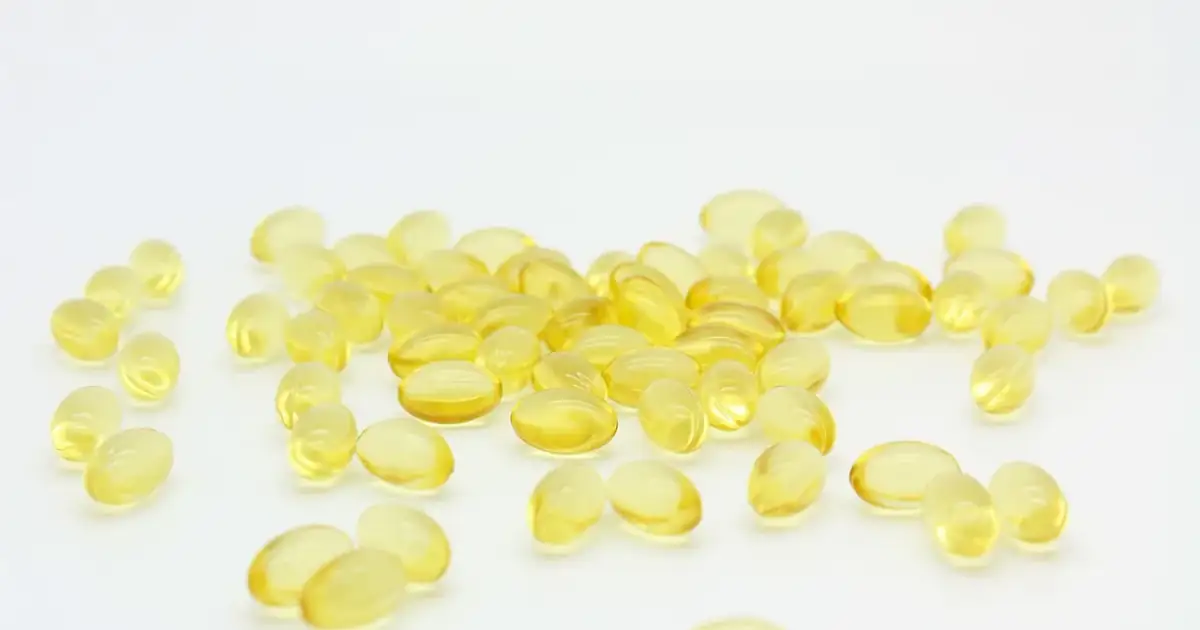
The omega-3 literature is noisier than the marketing suggests. The honest story: the index matters more than the dose, EPA and DHA do different jobs, and two major cardiovascular RCTs reached opposite conclusions on similar-looking interventions.
Why the Omega-3 Index beats the gram count
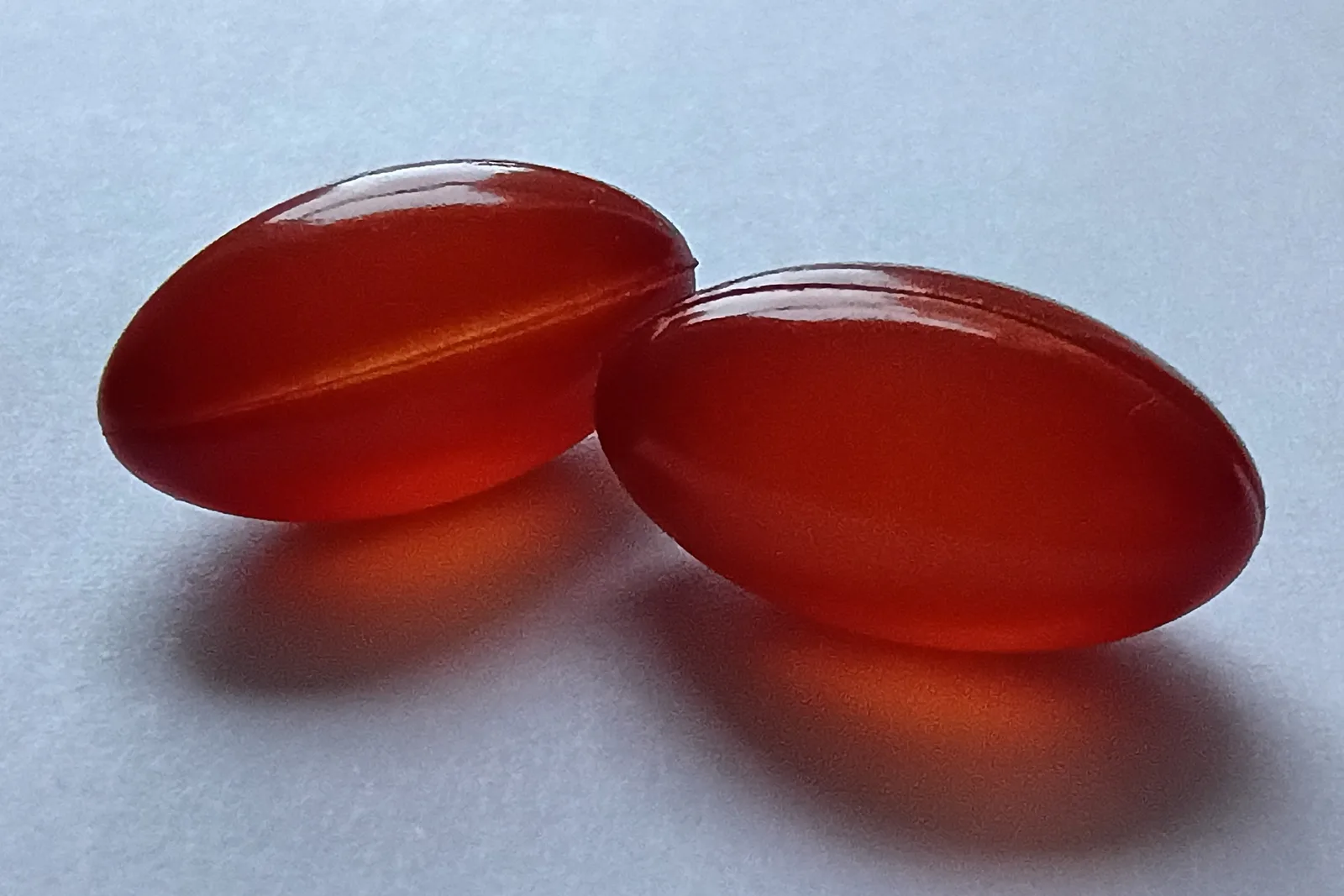
Omega-3 Index is the red-blood-cell membrane percentage of EPA + DHA. It reflects long-term intake, not this-week's fish-oil capsule count. Cohort data consistently shows the top tertile (>8%) associated with ~40% lower all-cause mortality than the bottom tertile (<4%) ( Mozaffarian & Wu 2011 ). Doses of "2 g/day" mean very different things in different people; a small woman with good baseline fish intake vs a large man on a standard American diet will hit different indices on the same capsule.
Testing costs ~$50 via OmegaQuant. Aim for 8-12%. Titrate your intake to hit it. Retest every 6-12 months.
What EPA and DHA actually do
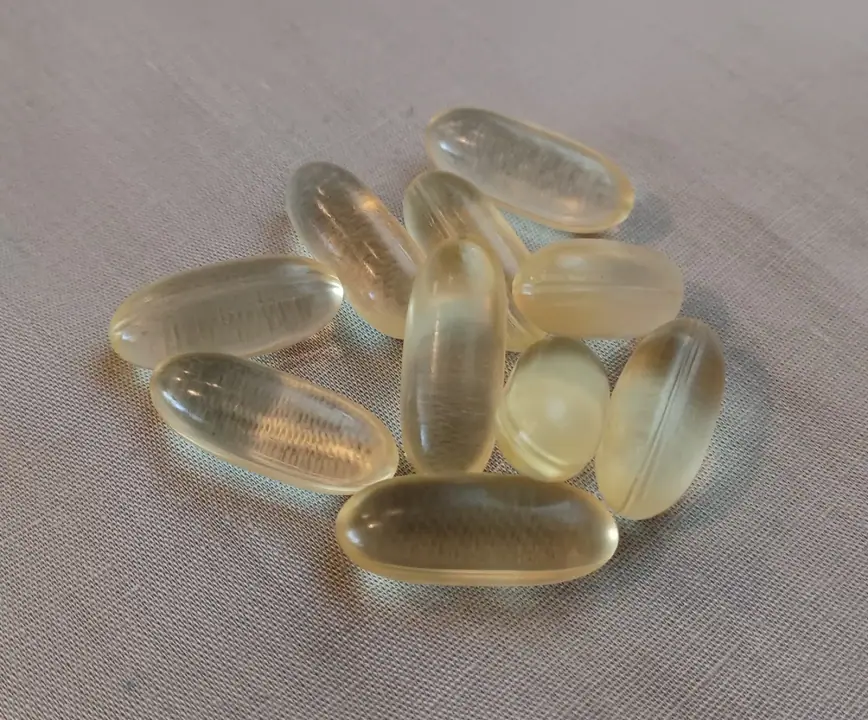
EPA (eicosapentaenoic acid, 20:5 omega-3). Precursor to anti-inflammatory eicosanoids. Membrane-competing with arachidonic acid. Dominant in the cardiovascular-signal trials.
DHA (docosahexaenoic acid, 22:6 omega-3). Structural component of neuronal membranes and retinal tissue. More concentrated in brain, less in plasma. Essential for brain development; cognitive benefit signals in aging cohorts.
Both are essential. Conversion from ALA (plant-source omega-3) to EPA is ~5-10% in healthy adults; to DHA is <1%. Fish, algae, or supplement intake is the only reliable way to move your index.
The trial disagreement
REDUCE-IT (Bhatt 2019, n=8,179): icosapent ethyl (purified EPA) at 4 g/day in patients with high triglycerides and cardiovascular risk produced a 25% relative risk reduction in major adverse cardiovascular events over ~5 years ( Bhatt et al. (REDUCE-IT) 2019, n=8179 ).
STRENGTH (Nicholls 2020, n=13,078): omega-3 carboxylic acid mixture (EPA + DHA) at 4 g/day in a similar-but-not-identical population found no cardiovascular benefit over a corn-oil control ( Nicholls et al. (STRENGTH) 2020, n=13078 ).
Reconciling: either the DHA component in STRENGTH partially offset the EPA benefit, or the control (corn oil) in STRENGTH wasn't biologically neutral, or the entry populations differed. The FDA approved icosapent ethyl (Vascepa) on REDUCE-IT's evidence; the generic EPA+DHA fish oil world did not get that endorsement.
Practical interpretation: if you have hypertriglyceridemia and established cardiovascular risk, the EPA-specific formulation has a stronger case. For primary prevention in a healthy adult, the difference is smaller than the gap between "having a 4% index" and "having a 9% index".
Doses that move the index
| Phase | Dose | Frequency | Notes |
|---|---|---|---|
| Baseline diet | 2 servings fatty fish/week | weekly | Salmon, mackerel, sardines. Gets most people to 6-8%. |
| Supplement floor | 1 g EPA + DHA combined | daily | Covers most non-fish-eating adults. Target ~0.5 g EPA minimum. |
| Supplement active | 2-3 g EPA + DHA combined | daily, with food | If baseline index is <6%. Retest after 4 months. |
| Clinical EPA | 4 g icosapent ethyl | daily, prescription | For hypertriglyceridemia + CVD risk. Vascepa. Discuss with clinician. |
Quality matters
Fish oil oxidation is a real concern. Look for:
- Third-party tested for purity (IFOS, NSF). Heavy metals and oxidation markers (TOTOX <26, peroxide value <5).
- Triglyceride or re-esterified triglyceride form. Ethyl ester is fine but slightly less well absorbed.
- Enteric-coated or split doses to minimize fishy-burp reflux.
EPA vs DHA: what each does
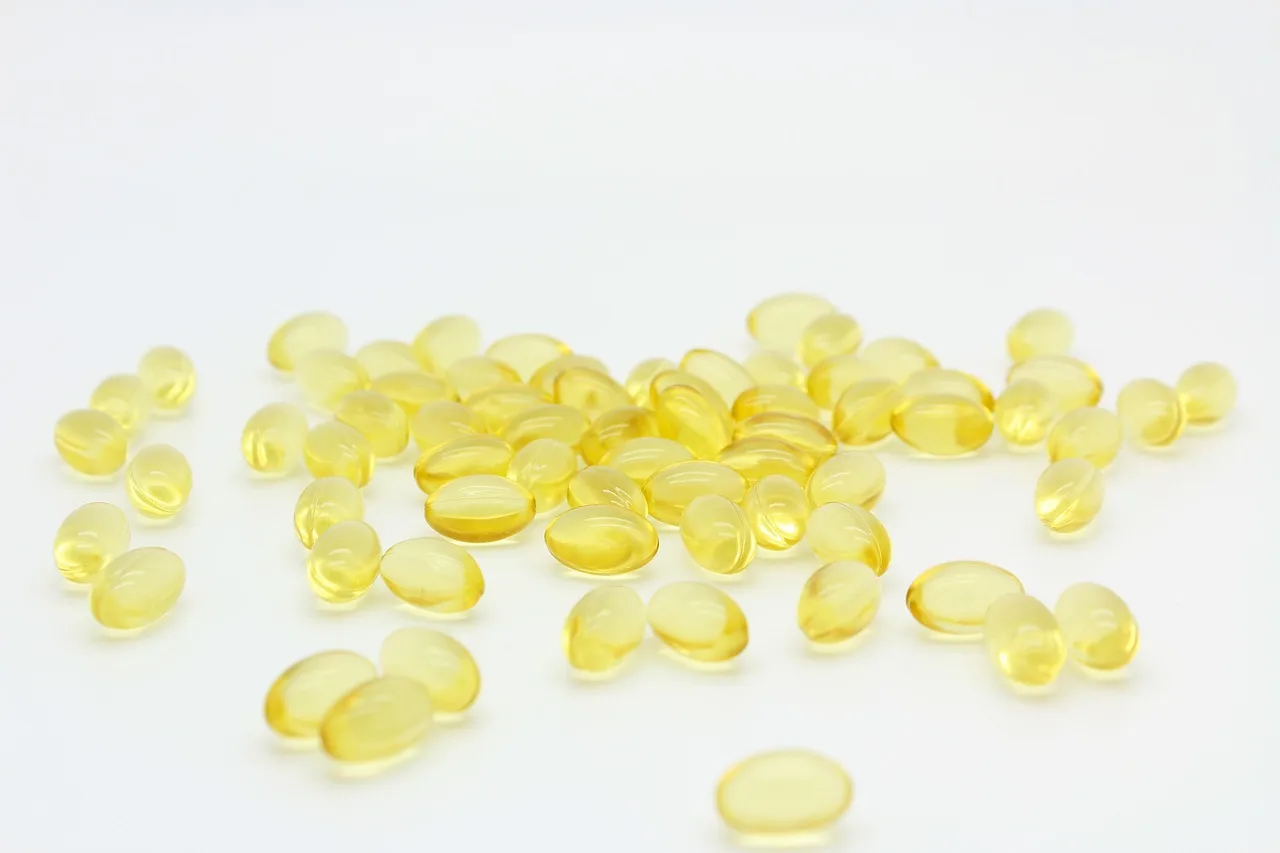
The "EPA + DHA" lump in most supplements obscures that the two fatty acids do meaningfully different things at the tissue level.
EPA (eicosapentaenoic acid). The dominant anti-inflammatory mediator. Competes with arachidonic acid as a substrate for cyclooxygenase and lipoxygenase enzymes, producing series-3 prostaglandins and series-5 leukotrienes that are less inflammatory than the arachidonic-derived series-2 and series-4 mediators. EPA is the fatty acid behind the cardiovascular signal in REDUCE-IT (icosapent ethyl is purified EPA). EPA is also the dominant fatty acid in the depression and mood-disorder literature; trials using high EPA-to-DHA ratios show stronger antidepressant signal than balanced or DHA-dominant formulations.
DHA (docosahexaenoic acid). The dominant structural fatty acid in neural tissue. About 30% of brain phospholipids by weight are DHA; retinal photoreceptor membranes are 50%+ DHA. DHA is essential for brain development in utero and infancy, and continues to support neural membrane fluidity and synaptic function across the lifespan. DHA-specific cognitive benefits in adults are smaller and less consistent than the structural-development case for prenatal and infant supplementation.
Why the ratio matters. EPA-to-DHA ratios in supplements range from 18:12 (most generic fish oil) to 80:20 (high-EPA mood-disorder formulations) to 5:25 (algae-derived DHA-dominant for vegetarians). For inflammation and cardiovascular outcomes, EPA-dominant formulations have stronger trial evidence. For brain development and prenatal use, DHA-dominant matters. For general healthspan in adults, balanced or moderately EPA-skewed formulations are reasonable.
The marketing claim "fish oil" without specifying EPA and DHA grams is approximately useless. The label should list each fatty acid separately, and the EPA + DHA total (not the total fish oil mass) is the relevant dose.
The Omega-3 Index as the operational target
The Omega-3 Index (percentage of EPA + DHA in red blood cell membranes) is the most useful single measurement for omega-3 status. Mozaffarian and Wu 2011 reviewed the evidence on omega-3 and cardiovascular outcomes ( Mozaffarian & Wu 2011 ), and the field has since converged on the Index as the operational target.
Below 4%: high cardiovascular risk band. Most untested Americans test in this range. Supplementation strongly indicated.
4-8%: intermediate band. Most adults eating an average Western diet without supplementation.
8-12%: target band. Associated with lowest all-cause mortality in cohort data. Most Mediterranean-diet adults reach this naturally; supplement-dependent adults need 1-3 g/day EPA+DHA.
Above 12%: marginal additional benefit, slight increased bleeding-risk theoretical concern at very high levels. Most adults don't reach this without explicit high-dose supplementation.
The retest cadence: 4 months after starting or changing dose. The Index integrates membrane composition over the 90-120 day red-cell lifespan, so shorter intervals don't reflect the steady-state.
The Omega-3 Index is more informative than the standard "total cholesterol" framing because it directly measures the lipid pool that affects cellular function, rather than a downstream marker. OmegaQuant's home-test kit costs around $50 and gives a reliable single-number readout.
Plant omega-3 (ALA): why it doesn't replace EPA+DHA
Alpha-linolenic acid (ALA) is the plant-form omega-3 found in flax, chia, and walnuts. ALA conversion to EPA in adult humans is poor: roughly 5-10% conversion to EPA, less than 1% to DHA. The conversion is rate-limited by delta-6 desaturase and delta-5 desaturase, which are heavily occupied by linoleic acid (omega-6) metabolism in typical Western diets.
The implication: 10 g of flaxseed oil daily produces roughly 0.5 g EPA + 0.05 g DHA from conversion, which is below the supplement floor for measurable Omega-3 Index movement. Vegetarians and vegans who rely on ALA conversion alone will not reach the 8-12% target band reliably.
The vegetarian/vegan path to adequate omega-3 status is algae-derived EPA+DHA supplementation (the source organism that fish are deriving their omega-3 from anyway). Algae-based products are available, dose-equivalent to fish oil, and bypass the ALA conversion problem entirely.
What the cardiovascular trials actually showed
The cardiovascular trial story is messier than the marketing suggests. Three trial classes worth distinguishing:
REDUCE-IT (Bhatt 2019, n=8179). Pure EPA at 4 g/day, in adults with hypertriglyceridemia and established cardiovascular risk. 25% relative risk reduction in major adverse cardiovascular events versus placebo. The pivotal trial that got icosapent ethyl FDA-approved ( Bhatt et al. (REDUCE-IT) 2019, n=8179 ). Strongest single piece of evidence for EPA-specific cardiovascular benefit at therapeutic doses.
STRENGTH (n=13,078). EPA + DHA combination at 4 g/day in similar high-risk population. Null result on the same primary endpoint. Stopped early for futility.
VITAL (Manson 2019, n=25,871). 1 g EPA + DHA in primary prevention (lower-risk general population). Null on the primary CVD endpoint, modest signal on heart attack specifically ( Manson et al. (VITAL) 2019, n=25871 ).
The reconciliation: high-dose EPA in high-risk patients with hypertriglyceridemia has good evidence (REDUCE-IT). Lower-dose mixed EPA+DHA in primary prevention has weak evidence (VITAL). The "fish oil prevents heart attacks" headline is simultaneously correct (in the REDUCE-IT population) and overstated (in the general population).
For the typical health-optimization audience, the operational target is reaching the 8-12% Omega-3 Index, not chasing the REDUCE-IT trial protocol. Most adults achieve that with 1-3 g EPA+DHA daily plus dietary fatty fish twice weekly.
Counter-view
Ramsden and colleagues (NIH) argue that linoleic acid reduction may be more important than omega-3 elevation for cardiovascular risk; the mechanistic case is for omega-6:omega-3 balance, not omega-3 alone. Joseph Hibbeln's "higher is better" camp argues 4 g EPA is the effective floor for mental health applications; most commercial fish oil products underdose. Both views have merit. The Omega-3 Index target band navigates past the disagreements.