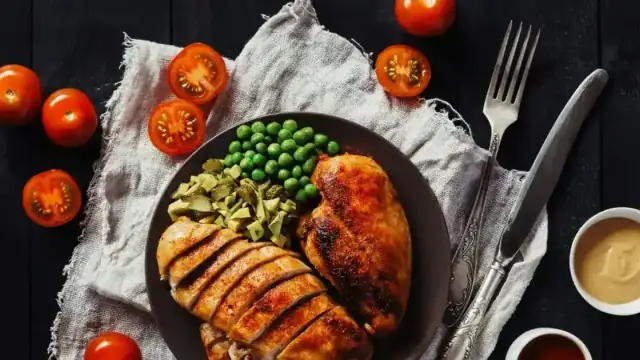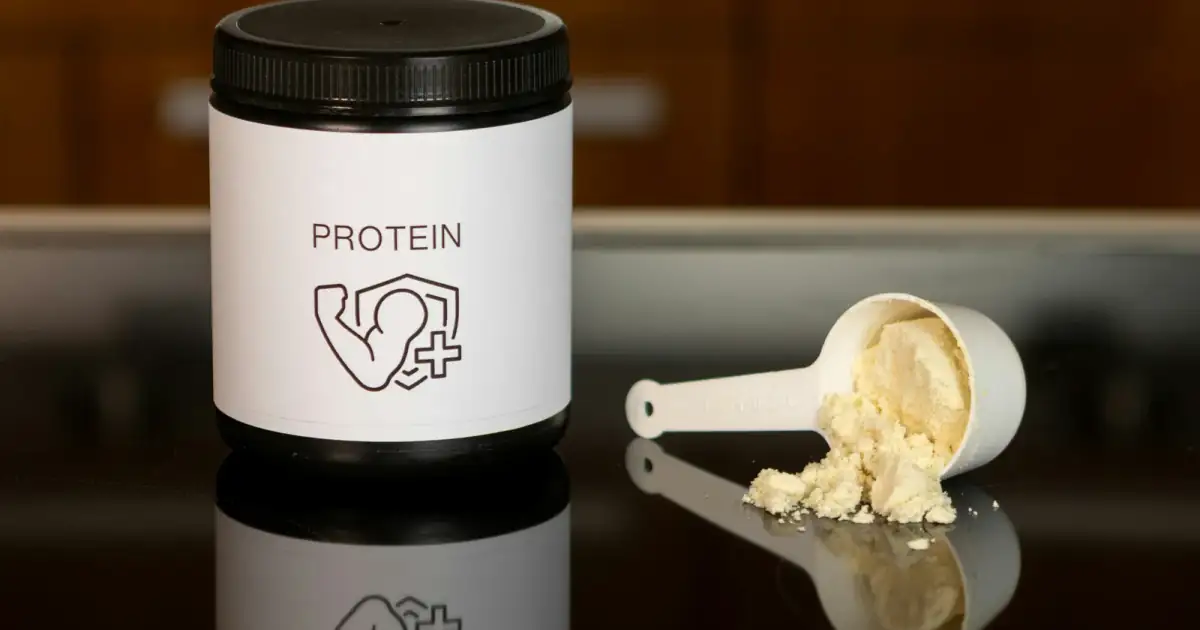
Total protein intake dominates the dose-response for muscle and longevity outcomes. Quality matters on the margin: plant-forward eaters need modestly more to hit the same per-meal MPS trigger.
The DIAAS metric
DIAAS (Digestible Indispensable Amino Acid Score) replaced PDCAAS as the FAO-recommended protein quality measure in 2013. Scores > 100 indicate a "high quality" / "complete" protein.
| Phase | Dose | Notes |
|---|---|---|
| Whey protein isolate | 109 | Gold standard for MPS |
| Egg (whole) | 113 | Complete; dense |
| Beef | 112 | Complete; slower digestion than whey |
| Milk | 114 | Whey + casein blend |
| Soy protein isolate | 91 | Best plant source; small MPS gap vs whey |
| Pea protein | 82 | Lower methionine + cysteine |
| Rice protein | 57 | Lower lysine |
| Pea + rice blend | ~95 | Combination fills amino acid gaps of each |
| Wheat | 43 | Low lysine; poor standalone source |
| Hemp | 51 | Modest; OK as adjunct |
The leucine threshold

Leucine is the primary amino acid trigger for muscle protein synthesis via mTORC1 activation. Each meal needs ~2-3 g of leucine to maximally activate MPS ( van Vliet, Burd, & van Loon 2015 ).
- Whey protein: ~10% leucine by weight. 25 g whey → 2.5 g leucine. Triggers MPS reliably.
- Pea protein: ~7-8% leucine. Need ~33 g for same leucine dose.
- Rice protein: ~7% leucine. Need ~35 g.
Per-meal total protein targets (to hit leucine threshold):
- Animal-source (whey, eggs, meat, dairy): 25-40 g.
- Plant-source blends (pea + rice, soy + oat): 35-50 g.
On the daily target: Morton 2018 meta (n=1,863) found the strength and hypertrophy response to protein supplementation plateaued at ~1.62 g/kg/day in healthy active adults ( Morton et al. 2017, n=1863 ). Plant-forward eaters should aim toward the top of the range to offset the DIAAS gap.
The daily total target
Combining Morton 2018 (plateau at 1.6 g/kg for MPS) and Phillips 2016 Phillips et al. 2016 (2.0-2.2 g/kg for older adults + deficit):
| Phase | Dose | Notes |
|---|---|---|
| Mixed diet (animal + plant) | 1.6-2.2 g/kg | Default range; adjust for age, deficit, training goal |
| Plant-forward diet | 1.8-2.4 g/kg | Bump 20-30% to offset DIAAS + leucine gap |
| Strict vegan + muscle-focused | 2.0-2.6 g/kg | Emphasize soy + pea+rice combinations |
| Elderly (70+) | 2.0-2.4 g/kg | Anabolic resistance; smaller meals under-stimulate MPS |
Practical source prioritization
Animal-source efficient picks:
- Whey isolate: cheapest high-quality protein per gram. ~$25/kg bulk brands.
- Egg whites: 3.6 g protein per large egg white.
- Chicken breast: 31 g protein per 100 g cooked.
- Greek yogurt (non-fat): 10 g protein per 100 g.
- Cottage cheese: 11 g protein per 100 g; slow-digesting casein-heavy.
Plant-source efficient picks:
- Soy isolate: 90 g protein per 100 g. Closest plant approach to whey efficiency.
- Tempeh: 19 g per 100 g; fermented soy.
- Tofu (extra firm): 15 g per 100 g.
- Pea + rice blend powder: combines to near-DIAAS 100.
- Lentils: 9 g per 100 g cooked; high fiber.
The cancer / mortality debate
Valter Longo and Walter Willett argue animal-protein-heavy diets correlate with higher IGF-1 and modest cancer + cardiovascular mortality signals in middle-aged cohorts. Observational + confounded by processed meat specifically. The counter-cohort data (Protein Summit 2016, other positions) shows the signal weakens dramatically when dietary pattern (processed meat + low-fiber + low-plant-food) is controlled for.
Practical: plant-forward eating (Mediterranean-style) with enough total protein from mixed sources (fish + eggs + legumes + occasional meat) is what most longevity-cohort data supports. Strict carnivore or strict vegan have smaller evidence bases for longevity-specific outcomes.
Supplements
- Whey isolate: convenience + cost-per-gram winner. If you're missing daily targets, this is the fix.
- Casein: slow-digesting; useful before long fasting periods (overnight).
- Collagen: incomplete protein; DIAAS ~30. Not a muscle-protein contributor. Skin/joint claims are marketing-heavy, evidence-thin.
- EAA or BCAA powders: inferior to complete protein; EAA slightly better than BCAA (has all 9 essentials).
Counter-view
Gabrielle Lyon argues animal-source protein is underappreciated and that plant-forward eaters chronically underdose leucine. Simon Hill argues well-planned plant-forward diets match animal-based in metabolic outcomes if total protein is adequate. Both correct within their populations; the reconciliation is "total protein + leucine threshold matter more than source" provided both are hit.